
The world of high-stakes poker shimmers with the promise of immense rewards, but beneath the glitz lies a demanding arena where fortunes are won and lost on skill, strategy, and unwavering discipline. Forget the Hollywood image of instant riches; true poker mastery is forged through relentless study, countless hours of practice, and the ability to manage the inevitable swings of variance.
As someone who has navigated these turbulent waters, I understand the dedication required to even approach a professional level. The journey isn’t about overnight success; it’s a marathon of continuous improvement and adaptation. This isn’t a get-rich-quick scheme, it’s a high level game. Consider this your starting point, a foundation upon which you can build a realistic understanding of what it truly takes to compete – and potentially thrive – in the world of high stakes poker. These expert insights and actionable advice will set you on the path.
Defining ‘Mastery’ in High-Stakes Poker
The glittering world of high-stakes poker often conjures images of instant millionaires and dramatic all-ins. But true poker mastery goes far beyond a single stroke of exhilarating fortune. It’s not about a lucky river card or a one-time tournament victory. Instead, it is about consistent profitability, strategic excellence, and an unwavering commitment to the game.
While luck undeniably plays a role, especially in the short term, it is a dangerous illusion to rely on. Mastery in high-stakes poker hinges on minimizing the impact of chance through calculated decision-making, deep understanding of game theory, and expert bankroll management. It requires discipline to fold strong hands when the situation demands and the courage to bluff when the odds are in your favor.
For a poker player to achieve mastery, they must have to think long-term. Success is measured not in individual hands or sessions, but in sustained profitability over extended periods. It means consistently outperforming opponents, adapting to evolving game dynamics, and continuously refining your strategies. True poker mastery is about being one step ahead, making informed decisions, and grinding out an edge, regardless of the cards you are dealt. It’s about transforming from a gambler into a strategic investor in the game.
The Essential Skills You’ll Need
To thrive in the high-stakes poker world, a diverse and well-honed skillset is non-negotiable. It’s more than just knowing the rules; it’s about mastering the art of calculated aggression and adapting to the ever-shifting dynamics of the table. This section breaks down the core skills that separate the sharks from the fish, explaining why each is critical for long-term success.
Range Analysis and Hand Reading
Range analysis involves constructing a probable set of hands your opponent might hold, based on their actions, the board texture, and their established playing style. It’s about thinking in probabilities, not absolutes. Hand reading then refines this range, using observed tells, bet sizing patterns, and opponent profiling to narrow down the possibilities. For instance, a tight-aggressive player who suddenly overbets the pot on the river might be representing the nuts, or conversely, attempting a bluff with a perceived strong holding. Mastering range analysis is where you refine your poker skills and find edges at the poker table to exploit your opponent and secure the bag. When I was in Vegas, I was up against one of the most aggressive players I’ve ever seen. After hours analyzing his plays, I noticed he would change his bet depending on one card, and on the deciding hand I was able to secure the victory, and that’s all thanks to range and hand analysis.
Game Theory Optimal (GTO) Play
Game Theory Optimal (GTO) play involves constructing a strategy that is mathematically sound and unexploitable, regardless of your opponent’s actions. This means balancing your ranges and frequencies across different actions, making it difficult for opponents to predict your moves. While GTO provides a solid foundation, it is essential to see its limitations. It assumes perfect information and doesn’t account for opponent tendencies or psychological factors. GTO should not be your only strategy, you should master it and use it to your advantage, don’t let it limit you and turn you into a robot at the table.
Exploitative Play
Exploitative play is the art of identifying and capitalizing on your opponents’ weaknesses and tendencies. It’s about moving away from a balanced GTO approach and adjusting your strategy to exploit specific vulnerabilities. It requires keen observation, pattern recognition, and the willingness to deviate from standard play. I remember one game where a player consistently folded to any river raise, regardless of the board texture. Once I picked up on this tell, I relentlessly value-raised and bluff-raised him on the river, extracting maximum value and accumulating a significant chip lead as a result. This adaptive approach, understanding the player can unlock big wins.
Cultivating the High-Stakes Mindset
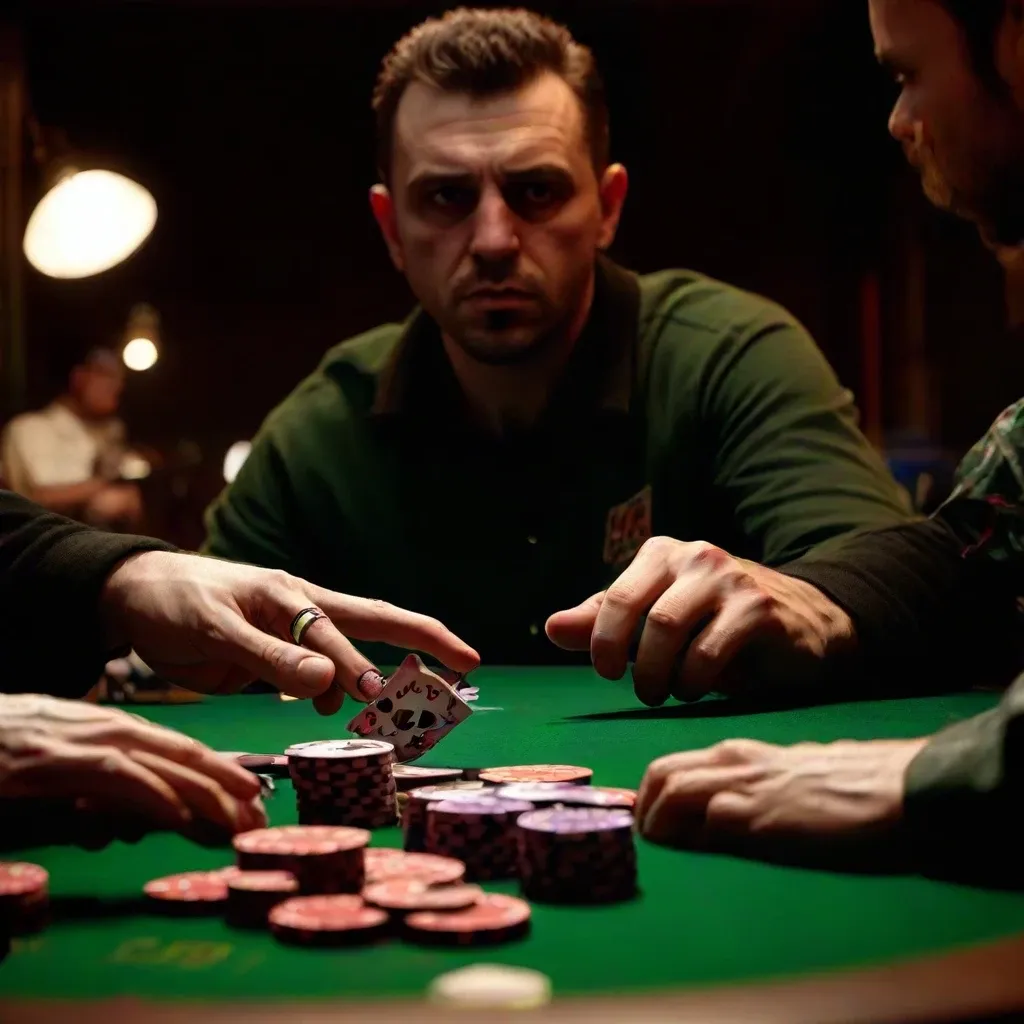
The intensity of high-stakes poker transcends mere card play; it’s a crucible forging a resilient and disciplined mind. Mastering the mental game becomes as crucial as understanding probabilities and opponent tendencies. The psychological pressures can be immense, demanding unwavering focus and the ability to navigate turbulent emotional waters.
Tilt, that insidious enemy of reason, poses a significant threat. It’s the emotional cascade triggered by setbacks, bad beats, or perceived injustices, leading to impulsive decisions and reckless play. Recognizing the warning signs – increased heart rate, frustration, negative self-talk – is the first line of defense. Implementing proactive strategies is paramount. This could involve stepping away from the table for a few minutes to clear your head, engaging in deep breathing exercises to regain composure, or consciously reframing negative thoughts into more constructive ones. For example, instead of fixating on a lost hand, focus on analyzing the mistakes made and identifying areas for improvement.
Emotional resilience is the bedrock of a successful poker mindset. It’s the capacity to bounce back from adversity, maintain a positive outlook, and avoid letting short-term results dictate long-term strategy. Developing this resilience requires a commitment to self-awareness and continuous improvement. Regularly reviewing hand histories, seeking feedback from trusted peers, and engaging in mindfulness practices can all contribute to building a stronger mental game. Poker discipline, the unwavering commitment to pre-defined strategies and bankroll management principles, acts as the anchor that keeps you grounded amidst the storm.
Advanced Strategies for High-Stakes Games
Advanced Bluffing and Semi-Bluffing
In high-stakes poker, bluffing transcends simple deception; it becomes an art form. A crucial element is balancing your range, ensuring your bluffs are interspersed with genuine value hands. This prevents opponents from easily reading your intentions. Consider bluff frequency: bluffing too often makes you predictable, while not bluffing enough renders you exploitable. The key is to find equilibrium, a delicate balance that keeps opponents guessing. Semi-bluffing, betting with hands that have the potential to improve, can be particularly effective. For instance, betting aggressively with a flush draw not only applies pressure but also gives you outs if called. Remember, successful bluffing hinges on understanding your opponent’s tendencies, table image, and the specific dynamics of the hand.
Mastering Bet Sizing
Bet sizing is a powerful tool in a skilled poker player’s arsenal. It’s about more than just putting chips in the pot; it’s about controlling the narrative of the hand. Smaller bets can induce calls from weaker hands, maximizing value against opponents who are hesitant to fold. Larger bets can apply pressure, forcing folds from marginal hands and building the pot when you have a strong holding. Understanding pot odds and implied odds is crucial for making informed decisions about bet sizing. For example, a slight adjustment in bet size can dramatically alter the pot odds offered to your opponent. This change can transform a profitable call into an unprofitable one. Mastering this nuance is a hallmark of a seasoned player.
Game Selection and Bankroll Management
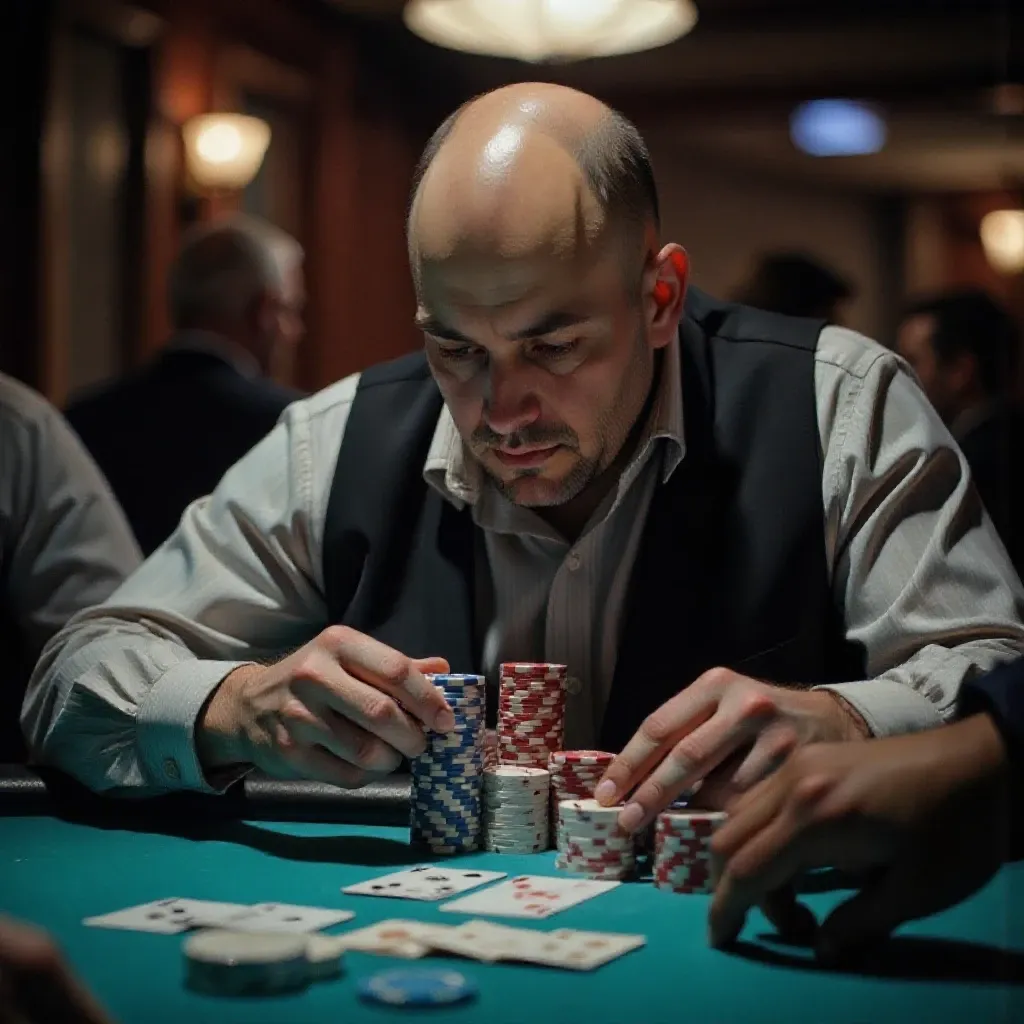
Succeeding in poker requires more than just skill; it demands smart game selection and diligent bankroll management. These two elements are intertwined, influencing your ability to withstand downswings and capitalize on profitable opportunities. Leaping into games without considering your bankroll is a recipe for disaster.
Game selection begins with honestly assessing your skill level relative to the competition. Seek out games where you have a clear edge. This often means avoiding tables filled with seasoned pros and targeting those with weaker, less experienced players. Consider factors like stakes, game format (e.g., Texas Hold’em, Omaha), and table dynamics.
Bankroll, in turn, dictates the stakes you can comfortably play. A general rule of thumb is to have at least 20-30 buy-ins for cash games and 50-100 buy-ins for tournaments. This buffer is crucial to weather the inevitable variance of poker. Playing with scared money – an insufficient bankroll that makes you risk-averse – negatively impacts your decision-making and overall profitability. It is best to build the biggest bankroll possible to minimize the odds of going broke.
Adjusting stakes as your bankroll grows or shrinks is paramount. Moving up too quickly can expose you to tougher competition and increase your risk of ruin. Similarly, dropping down when facing losses allows you to rebuild without jeopardizing your entire bankroll. Developing a disciplined approach to game selection and bankroll management is an investment in your long-term poker success.
Continuous Learning and Adaptation
The world of poker is in constant flux. What worked yesterday might be exploited tomorrow. Therefore, continuous learning isn’t just an advantage; it’s essential for survival and thriving at the tables. Stagnation equals decline in this fiercely competitive arena.
Poker learning takes many forms. A solid foundation comes from studying the game’s fundamentals: understanding pot odds, implied odds, position, and bankroll management. These principles remain timeless, providing a framework for decision-making in any situation.
However, theory only takes you so far. Practical application and analysis of your own play are crucial. Hand review, whether self-directed or with a trusted colleague, allows for identification of leaks and areas for improvement. Pay attention to spots where you felt uncomfortable or unsure; these often reveal gaps in your understanding.
Adaptation is the final piece of the puzzle. The game evolves; players get better, strategies shift, and new trends emerge. Staying ahead requires a willingness to experiment, adjust your approach, and incorporate new information. This might involve adopting new betting patterns, widening your opening ranges in certain spots, or adjusting your strategy based on opponent tendencies. Don’t be afraid to step outside your comfort zone and challenge your own assumptions.
Advanced tools such as solver software are invaluable for in-depth analysis of specific scenarios. Solvers provide theoretically optimal solutions, allowing you to identify deviations in your own play and understand the reasoning behind different strategies. However, it’s important to remember that solvers are just tools. They shouldn’t replace your own critical thinking, but rather enhance it.
Conclusion
The path to high-stakes poker mastery is not paved with luck alone. It requires a potent blend of dedication, a keen understanding of the game, and the unwavering mindset of a champion. This journey demands continuous learning, rigorous self-assessment, and the courage to adapt your strategy in the face of formidable opponents.
Remember, even the most seasoned professionals started somewhere. Every hand played, every mistake analyzed, and every strategic adjustment made contributes to your growth as a poker player. Embrace the challenges, learn from your setbacks, and never lose sight of your goals. With perseverance and the right approach, achieving long-term positive results in the high-stakes arena is within your reach. The felt is waiting, and your journey to poker success begins now.